
Top Must See Cities of Andalucia
See, Feel and Taste the Beauty and Diversity of Real Spain
I’ve toured Spain extensively, and experienced how much more it has to offer than it’s well known and much loved beach resorts. A visit to Andalucia provides you with the very best of Spain, in one stunning and diverse region.

Stunning Seville. With so many green open spaces, Seville instantly became one of my favourite cities. The city offers colour, music, and warmth in every corner.
Seville is the heart of southern Spain. It’s a city of sun, rhythm, and history where every street feels alive. Visiting Seville means walking through centuries of culture while enjoying some of the best food and music in Andalucía.
Start with the Seville Cathedral, one of the largest in the world. Inside lies the tomb of Christopher Columbus, and from the top of La Giralda tower, you’ll see rooftops, courtyards, and church spires across the old town.
Next door is the Real Alcázar, a royal palace still used by the Spanish monarchy. Its Moorish arches, tiled halls, and quiet gardens reflect both Islamic and Christian influence. Fans of “Game of Thrones” will recognize parts of it as the setting for Dorne.
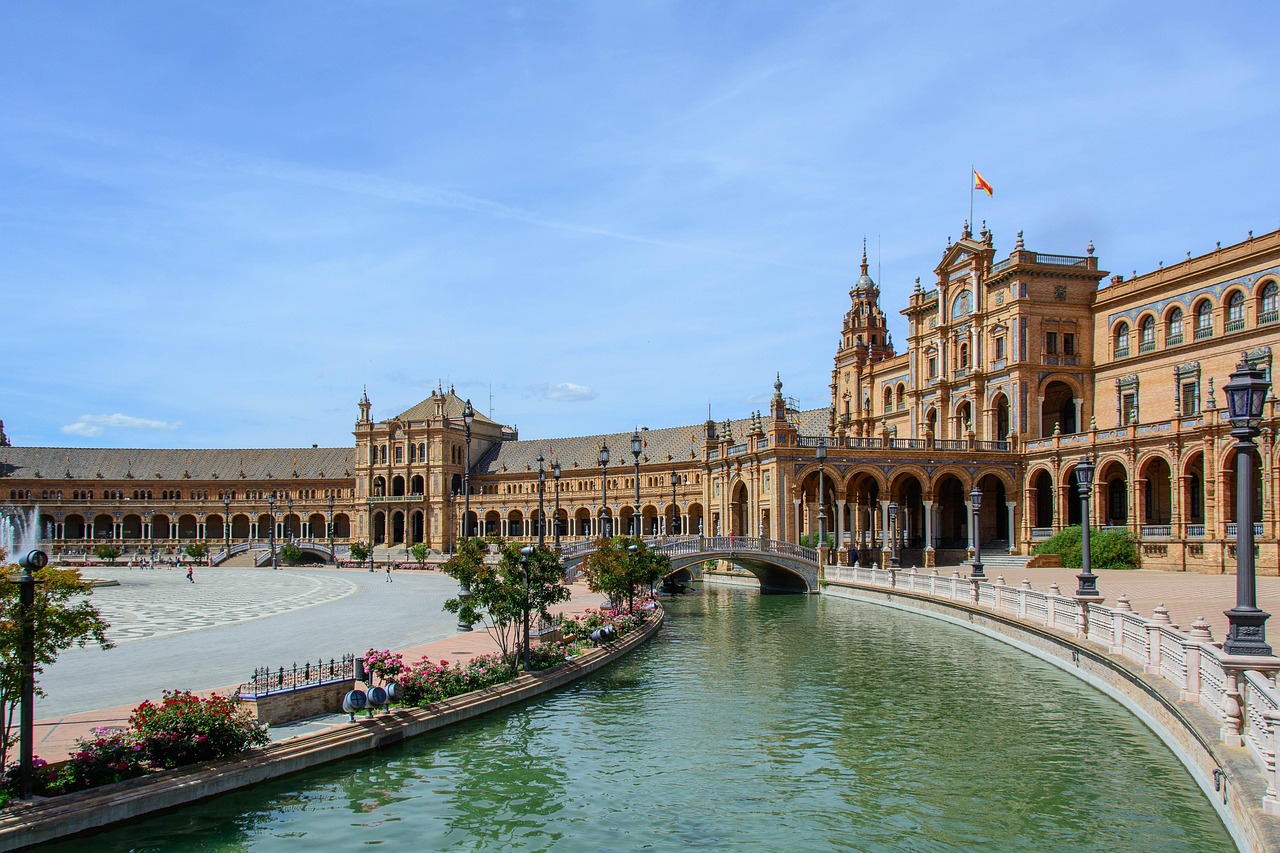
Walk to Plaza de España, a semicircular complex built for the 1929 Expo. Bridges cross over tiled canals, and the plaza’s ceramic benches represent every province of Spain. It’s one of the most photographed sites in the country.
Explore the Barrio Santa Cruz, once the Jewish Quarter. Its narrow lanes, flowered balconies, and hidden courtyards make it the city’s most charming area. You’ll find tapas bars, small shops, and flamenco venues tucked behind whitewashed walls.
Don’t miss flamenco, which was born in Seville. Visit a tablao for an evening of music and dance filled with power and emotion.
At sunset, walk along the Guadalquivir River. Cross the bridge into Triana, a neighborhood known for pottery, flamenco artists, and lively bars.
Seville is more than a list of sights. It’s a city that moves to its own rhythm. The orange trees, tiled plazas, and late-night laughter make it unforgettable.
Discover the stunning hotels of Seville here
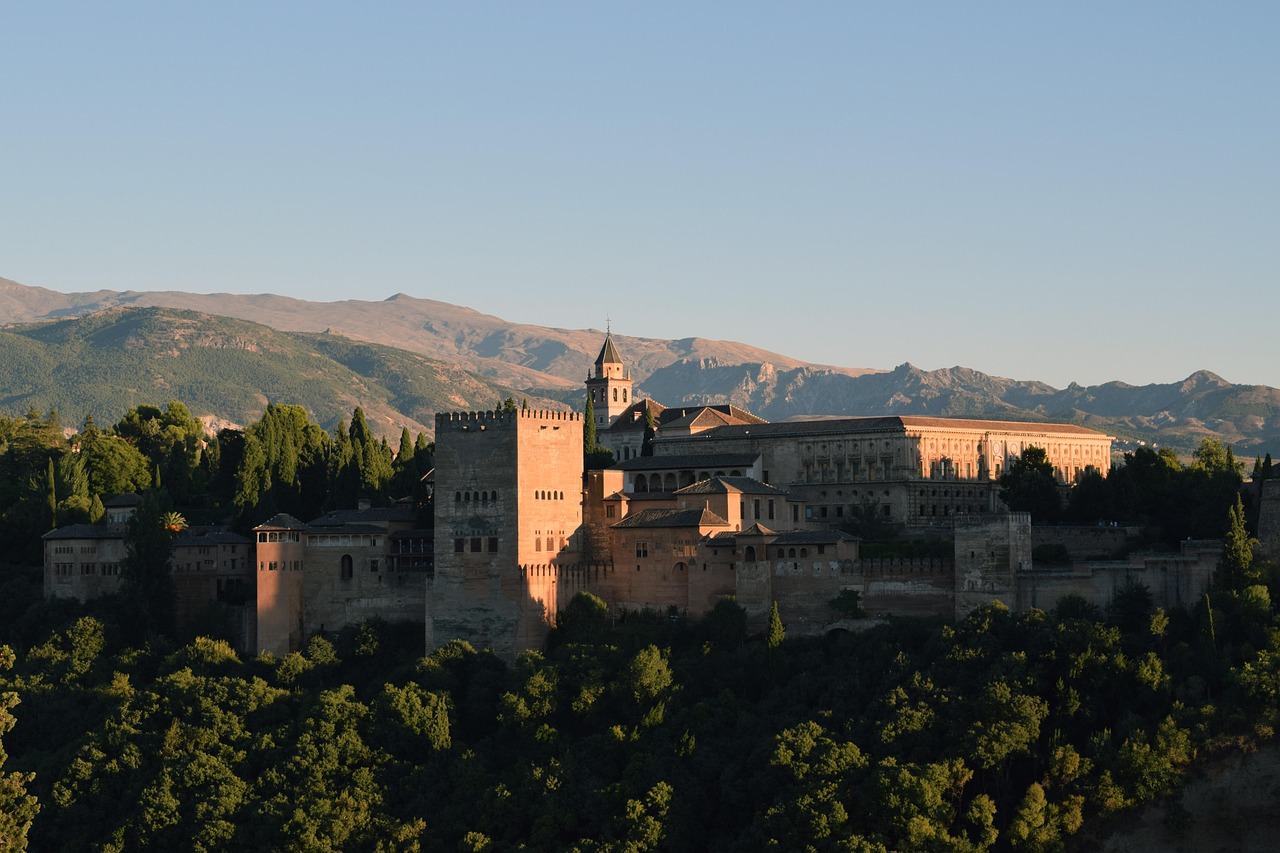
Glorious Granada. Granada captures what makes Spain unforgettable. At its heart stands the Alhambra, a fortress and palace complex that defines Moorish beauty. Together, they create a trip that so many cross continents for.
Start in the Alhambra. Its courtyards, carved arches, and gardens show centuries of art and power. The Nasrid Palaces hold walls covered in calligraphy and light that shifts through lattice windows. The Generalife gardens offer calm terraces and fountains above the city. Every turn feels precise, built for beauty and peace.
After the Alhambra, step into Granada’s old quarter, the Albaicín. Its narrow streets wind up the hillside, lined with white houses and stone steps. From the Mirador de San Nicolás, look across to the Alhambra with the Sierra Nevada mountains behind it. At sunset, the view stops conversation.
Granada’s streets mix Arabic, Christian, and modern life. You can drink mint tea in a Moroccan café, then walk a few minutes to a tapas bar where every drink comes with food. The rhythm of the city is slow but full of life.
End your visit with a night walk through the Alcaicería market or along the Darro River. The scent of jasmine fills the air, and the Alhambra glows above the rooftops.
Granada is more than a destination. It’s a living link between cultures and centuries. Every visitor leaves with a sense of calm and awe that only this city delivers.
Captivating Córdoba. Córdoba is one of Spain’s quiet masterpieces. It blends Islamic art, Roman history, and Andalusian charm in one walkable city. Every turn offers colour, light, and tradition.
Start with the Mezquita-Cathedral, Córdoba’s crown jewel. Its red and white arches fill the vast hall with rhythm and symmetry. Built as a mosque and later turned into a cathedral, it shows the story of centuries in stone. The atmosphere inside is calm, almost hypnotic. Step outside, and the orange-scented courtyard reminds you that faith once grew here through beauty and detail.
Walk into the Jewish Quarter. Its narrow lanes and white walls lead to patios full of flowers and fountains. If you visit in May, the Festival of the Patios opens private courtyards to visitors. Every corner bursts with color and scent.
Cross the Roman Bridge at sunset for the best view of the Mezquita and the city skyline. The light over the Guadalquivir River turns everything gold. It’s one of the most photographed scenes in Andalucía.
Then slow down. Order salmorejo, a chilled tomato dish thicker than gazpacho, or a crispy flamenquín with a glass of local wine. Sit in a shaded plaza and listen to street musicians playing flamenco guitar.
Córdoba offers history you can walk through and culture you can taste. It’s smaller than Seville and calmer than Granada, but no less rich. Visit once and you’ll understand why so many travellers call it the soul of Andalucía.

Heavenly Jerez. Jerez de la Frontera sits in the heart of Andalucía, known for sherry, horses, and flamenco. It offers a genuine southern Spanish experience without crowds.
Start with sherry wine. Jerez is the birthplace of this fortified drink. Visit a bodega such as González Byass or Lustau for a guided tasting. You’ll see how the solera system ages the wine, then sample fino, amontillado, and oloroso straight from the cask. Pair it with jamón ibérico or local cheese for the full flavor of the region.
Next, see the Royal Andalusian School of Equestrian Art. Its daily shows display the skill of Spain’s purebred horses. Riders in traditional dress guide the animals through perfect routines to classical music. Even if you know little about horses, the precision and care are impressive.
Jerez is also one of the homes of flamenco. Visit a tablao in the Santiago or San Miguel districts to hear live singing, guitar, and dance. The performances are intense and emotional, rooted in local life.
Walk through the old town, where palm trees shade whitewashed streets. Stop by Alcázar de Jerez, a Moorish fortress with towers and gardens. Climb the walls for views over the city and the nearby cathedral.
Food is simple and excellent. Try rabo de toro (oxtail stew) or fried fish at a traditional tavern. Eat outside, where locals fill the squares until late at night.
Classic Cadiz. Cádiz is one of Europe’s oldest cities, a seaside gem in southern Spain with over 3,000 years of history. It sits on a narrow peninsula surrounded by the Atlantic, filled with charm, sunlight, and rhythm.
Start your visit in the Old Town, where winding streets lead to hidden squares and sea views at every turn. The Cádiz Cathedral dominates the skyline with its golden dome. Climb the bell tower, Torre de Poniente, for a full view of the city and the ocean that surrounds it.
Walk along the seafront promenade, known as Campo del Sur. The sound of waves and the smell of salt fill the air. Locals call Cádiz “the city that smiles,” and you’ll see why as you pass cheerful cafés and fishermen mending nets.
Explore La Viña, the old fishing district. It’s full of tapas bars serving fresh fried fish and shrimp fritters. At night, the streets come alive with music and conversation.
Don’t miss the Tavira Tower, one of the city’s old watchtowers. Inside, a camera obscura shows a live panoramic view of Cádiz from above.
For a break, head to La Caleta Beach, a small bay between two forts. It’s the perfect place to swim, watch the sunset, or join locals for a stroll.
If you visit in February, experience the Cádiz Carnival, one of Spain’s most famous festivals. The parades, costumes, and satirical songs fill the streets for days.
Cádiz combines ancient history with relaxed coastal life. You can see Phoenician ruins in the morning, eat seafood by the sea at lunch, and watch flamenco at night. It’s a city that feels timeless, shaped by the sea and full of spirit.
