Why Travel Becomes More Meaningful After 50
Slower journeys, deeper connections, and choosing experiences that reflect who we are now
There comes a point in life when travel begins to feel different.
For many people, this shift happens after 50 and it certainly did for us. The desire to rush from place to place fades, replaced by a quieter curiosity, one that values understanding, connection, and presence over speed.
Travel after 50 is not about doing less. It’s about experiencing more.

Time Changes How We Travel as We Get Older
When we’re younger, travel often revolves around momentum. We try to see everything, often in a short amount of time, fuelled by energy and excitement.
As we grow older, our relationship with time changes. We become more comfortable staying in one place, lingering a little longer, and allowing destinations to unfold naturally.
This slower approach to travel is one of the greatest benefits of travelling after 50. It allows for deeper engagement and a more authentic experience of places.

Life Experience Adds Depth to Travel
One of the overlooked benefits of travel for over 50s is the depth of perspective we bring with us.
Years of life experience shape how we observe the world. We notice the rhythms of daily life, the small details, and the stories that sit beneath the surface. Culture becomes something we recognise and relate to, rather than simply observe.
Travel becomes less about discovery in the obvious sense, and more about connection and understanding.
Comfort Enhances the Travel Experience
Travel after 50 often comes with a greater appreciation for comfort, and rightly so.
Rest, thoughtful pacing, and choosing places that feel welcoming allow us to be fully present. Comfort is not about luxury for its own sake; it’s about creating the conditions that make travel enjoyable and sustainable.
For many older travellers, this balance is what turns a trip into a genuinely rewarding experience.

Meaningful Connections Matter More Than Checklists
As priorities shift, many people over 50 find themselves less interested in ticking off attractions and more drawn to meaningful moments.
A shared meal, a conversation with a local guide, a familiar walk through an unfamiliar town, these are often the experiences that stay with us long after the journey ends.
Good friendships we’ve made while travelling have become deep and have lasted for many years. They are usually formed through short and simple interactions. Soon, these moments lead to joining for a drink or sharing a meal together, and sometimes even to spending days exploring side by side. These friendships grow quickly because you’re on the same journey in life, sharing and exchanging experiences and offering guidance on your next destination.
Later you stay connected through messages, visits, and shared plans years later.
Your network spreads across countries and cultures.
Those connections offer local insight, support, and a sense of belonging wherever you go.
This is where travel after 50 becomes especially powerful: it fosters connection rather than consumption.

Travel Supports Wellbeing in Later Life
Travel offers clear benefits for mental and physical wellbeing at any age, but it can be particularly nourishing later in life.
New environments stimulate curiosity and mental engagement. Gentle movement supports physical health. Stepping away from routine can bring perspective, renewal, and a sense of possibility.
Travel doesn’t need to be strenuous to be enriching. Even simple, well-planned journeys can support wellbeing and fulfilment.
Rethinking the Bucket List After 50
For many people, the idea of a bucket list evolves with age.
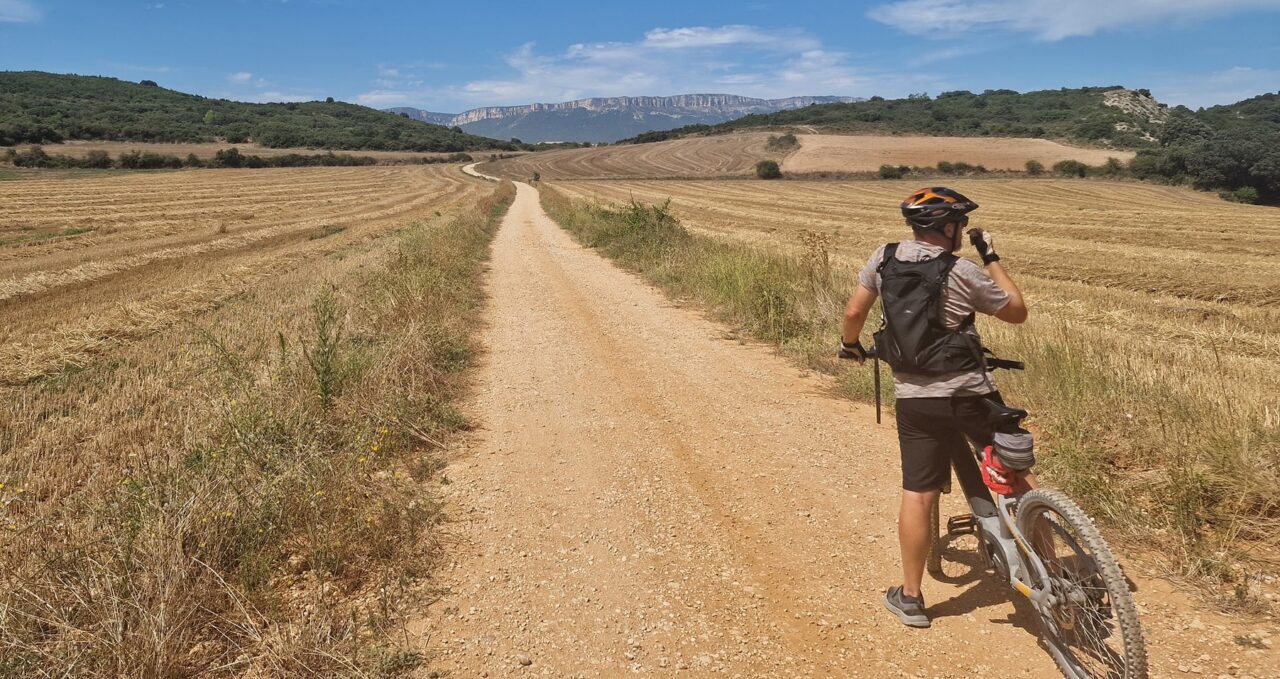
While cycling a section of the Camino de Santiago long distance pilgrims’ route in Northern Spain, I met a man who had just flown in from the U.S. who has been walking sections of the route once or twice a year for the past decade. He explained that everyone is undertaking this challenge for a specific reason, very often walking alone and because of solitude or constant reflection, at some point they are unexpectedly overwhelmed with emotion. He and many others like him are there to listen and support if needed.
Only later would I see the importance of this, when weeks after at the end of the route, I met a young woman who told me the experience and the people she’d shared it with, had been life changing for her. Brimming with pride and elation, I couldn’t help but feel the same for her.
Instead of focusing on extremes, travellers over 50 often prioritise experiences that feel meaningful and aligned with who they are now. These are journeys chosen with intention, not to impress, but to enrich.
This shift reflects a deeper understanding of what travel can offer.
Travel as a Continuation of Life
Perhaps the most significant change is that travel no longer feels like an escape from life, but a continuation of it.
The same values we hold at home — balance, curiosity, appreciation — travel with us. We engage more deeply, notice more, and appreciate more.
At some point, my love of travel has become a need. A need to experience all that’s out there, some of which I haven’t even heard of yet.
Then of course, there is the love to share with others. With those who feel it too.
Travel after 50 becomes not just something we do, but something that enhances how we live.